
How to Flush a Tankless Water Heater (and Why It Matters)

Flushing a tankless water heater means running a descaling solution through it to dissolve mineral scale that builds up inside the heat exchanger. In Tucson, where the water supply is classified as hard to very hard, that buildup happens faster than in most parts of the country. Left alone, scale reduces hot water flow, causes […]
Why Is My Toilet Running? Causes and How to Stop It

A running toilet usually means water is either leaking from the tank into the bowl or the fill valve is not shutting off. The most common culprits are a worn flapper, a chain that is too short or tangled, a float set too high, or a failing fill valve. In Tucson, hard water speeds up […]
Repiping a House: What It Involves, How Long It Takes, and What Goes into Cost
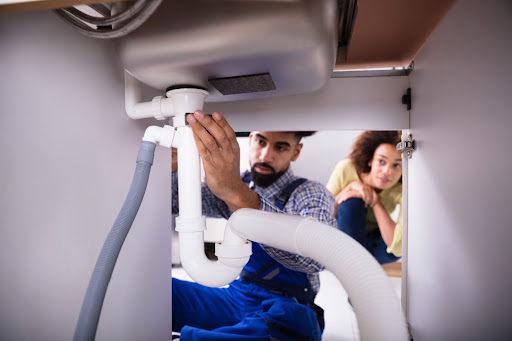
Repiping a house means replacing your home’s old water supply lines with new ones, usually PEX or copper, to stop recurring leaks, restore water pressure, and get rid of rusty or discolored water. A whole-house repipe is a significant project, but for many Tucson homes built before the 1980s, it is the long-term fix for […]
Are Heat Pumps Effective in Arizona Homes?

Yes, heat pumps work well in most of Arizona. They cool like an air conditioner in summer and move heat into your home in winter, and Arizona’s mild winters let them heat efficiently most of the time. In Tucson, where winter lows average around 41 degrees Fahrenheit, a properly sized heat pump keeps most homes […]
Anode Rod: What It Is and Why Your Water Heater Needs One

An anode rod is a metal rod inside your tank water heater that corrodes on purpose so your tank does not. It is called a sacrificial anode: as long as enough of it remains, it slows rust inside the steel tank. Once it is fully depleted, the tank itself starts to corrode, and that is […]