Your septic system works hard every day and your septic filter is one of the most important parts keeping it running the way it should. Positioned at the outlet of your tank, the effluent filter acts as the last barrier between your tank and your drain field, trapping solids before they can cause serious damage downstream. When that filter gets clogged with buildup, wastewater can’t move the way it should – and the entire system starts to feel it.
Rite Way provides professional septic tank filter cleaning for homeowners throughout Tucson and the surrounding areas, helping you avoid backups, protect your drain field, and extend the life of your system. In Southern Arizona’s heat, septic systems work under conditions that can accelerate buildup faster than homeowners expect which makes staying on a regular cleaning schedule even more important here than in cooler climates.
If you can’t remember the last time your filter was cleaned, it’s probably time to make the call.
Schedule Your Service
$65 Complete AC/Furnace Tune-Up

Keep your AC and Furnace in tip-top shape with bi-annual complete AC/Furnace Tune-Ups. Our expert technicians will inspect and optimize your unit, catching any potential issues before they become major problems. By investing in a tune-up now, you’ll avoid the rush and potentially costly repairs. Stay ahead of the game and keep your home safe and comfortable all year round with our professional $65 Complete System.
Valid Until: 12/31/2024
Posted on Google
 David Wolf1 days ago
Trustindex verifies that the original source of the review is Google.
Nathan has excellent communication skills. He demonstrated good organization. And explained everything. That I needed to know.Posted on Google Kathy Remley2 days agoFinally an air conditioning company who isn’t here to take advantage of you! Thank you for your thoroughness, professionalism and quick troubleshooting!!!Posted on Google
 Nich2 days ago
Trustindex verifies that the original source of the review is Google.
Plumbing problems!Posted on Google Matthew Gille2 days agoBrandon Walters is an exceptional plumber. Riteway is lucky to have him.Posted on Google
 Ian Taylor2 days agoNyle was very thorough and professional in his assessment of my HVAC system.Posted on Google
 Dan Mills2 days agoDaniel was courteous professional and personable, I would highly recommend Daniel .Posted on Google
 David Baker3 days agoPrompt, courtesy, knowledgeable. Repaired our A/C. Explained what we needed but did not pressure us to do the maintenance on our other unit. Very happy with the repairs and maintenance service. Today Brandon did several plumbing repairs for us and replaced the garbage disposal. Excellent job. Such a polite and knowledgeable young man.Posted on Google
 Greg Riggs3 days agoLuis was great. I have an intermittent issue but he gave me great instructions on what to do. he took his time and guaranteed that they would be back if I continued to have the issue. Great company and I would highly recommend them. Luis was outstanding I thought in his approach to the problem my interaction with him.Posted on Google
 Judith Rainforth3 days agoAhmad Tallash was exceptional! Enjoyed his kindness as he educated me on the different water systems in my home.Posted on Google
 Thomas Jones3 days agoVerified by TrustindexTrustindex verified badge is the Universal Symbol of Trust. Only the greatest companies can get the verified badge who has a review score above 4.5, based on customer reviews over the past 12 months. Read more
Septic filter cleaning is a routine service but that doesn’t mean just anyone should be doing it. Here’s what makes Rite Way the right call for Tucson homeowners:
*Valid Until: 12/31/2023
At Rite Way, we take pride in being a dependable presence for homeowners across the Tucson region. From Oro Valley to Green Valley, we’ve built a reputation for showing up prepared, being upfront about what we find, and treating every home with respect. Our technicians have hands-on experience with septic systems of all ages and configurations from newer systems with modern effluent filters to older tanks that haven’t seen a service visit in years.
When we come out for a filter cleaning or other septic tank services, we’re not just running through a checklist – we’re paying attention to the full picture of your system’s health and letting you know about anything that warrants a closer look. Septic maintenance isn’t glamorous work but it matters, and we approach every service call like it does.
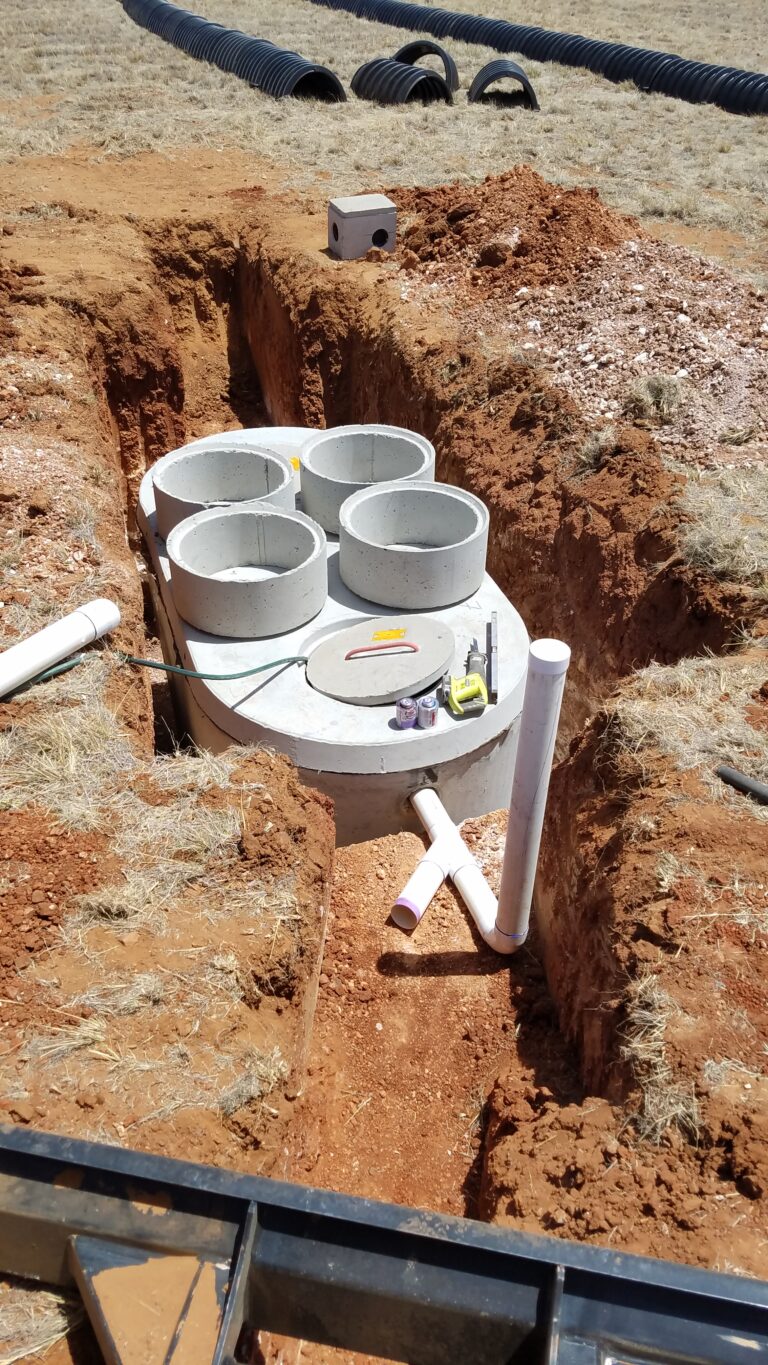
Also called an effluent filter, your septic tank filter sits in the outlet baffle of your tank the side closest to your drain field. Its job is to trap solid particles before they exit the tank and enter the drain field, acting as the last line of defense against clogs and system failure.
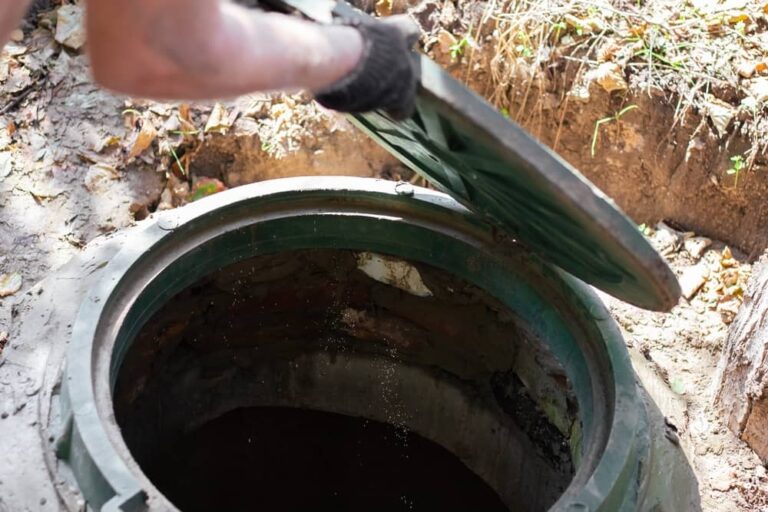
Most modern septic systems installed in the last few decades include a filter. If your home has access risers at ground level, the filter is typically located under the smaller riser lid between the house and the drain field. On older systems without risers, it’s accessed through the main tank lid at the outlet end.
There are a few common filter types you may have:
Regardless of which type your system has, all of them require regular septic system filter cleaning to function correctly.
Staying on top of septic tank filter cleaning isn’t just about avoiding problems. It’s about protecting one of the biggest investments you’ve made in your home. Regular cleaning delivers real, lasting benefits:
Skipping septic filter cleaning might not seem urgent. Until it is. A neglected filter can cause a cascade of problems that go well beyond a slow drain:
Your system will often give you warning signs before a clogged filter turns into a real emergency. Watch for these indicators:
If you’re noticing any of these, don’t wait. Contact Rite Way to get your filter inspected and cleaned before a minor issue becomes a major repair.
This is worth mentioning because it comes up often. When a filter is cleaned improperly, it can cause more harm than good. Avoid the following:
Professional cleaning by Rite Way ensures your filter is rinsed correctly and directs waste back into the tank, not onto your yard or into your drain field.
Most septic professionals recommend cleaning your filter every time your tank is pumped, typically every one to three years depending on household size and usage. That said, some households may need more frequent attention. Here are a few factors that can affect how quickly your filter clogs:
Tucson’s warm climate can also accelerate bacterial activity inside the tank, which affects how quickly solids accumulate. The combination of heat, hard water, and the region’s unique soil composition means Southern Arizona septic systems often need more attention than the national averages suggest. If you’re not sure how often your filter should be cleaned, Rite Way can evaluate your system and put you on a schedule that makes sense for your home and your household’s specific usage patterns.
Don’t wait for a backup or a foul smell to tell you something’s wrong. Rite Way makes it easy to stay ahead of septic issues with professional, affordable filter cleaning across Tucson and surrounding areas. Call us today or book your appointment online.
It’s the process of removing, rinsing, and inspecting the effluent filter inside your septic tank to clear built-up solids and restore proper flow through your system.
A clean filter keeps solids from reaching your drain field. Without it, you risk clogs, backups, and expensive damage to your system’s most critical components.
A neglected filter can lead to sewage backups, drain field failure, and potentially a full system replacement, all of which are far more costly than routine cleaning.
While it’s technically possible, it involves accessing your septic tank and handling raw wastewater, most homeowners are better served by a professional who can also inspect the filter and surrounding components for damage.
Yes! A clean filter allows wastewater to flow freely through the system, reducing strain on your tank and drain field and keeping everything working the way it should.