Welcome to Rite Way Heating, Cooling & Plumbing, Southern Arizona’s leading home service company for all your AC/Heat, plumbing, and electrical needs in Tucson, AZ, and its surrounding areas. We take pride in providing our clients with high-quality services that are second to none. Whether it’s a new installation, comprehensive repair, or a routine maintenance check, our team of skilled technicians guarantees a job well done.
Keeping your home comfortable is our topmost priority, and we look forward to showing you all that we have to offer. Contact us today, and let us keep your home working the Rite Way!
At Rite Way, we recognize that working heating and air conditioning systems are essential to maintaining a comfortable living and working environment. That’s why we provide a broad range of AC/Heat services, from installations to repairs. Our technicians have the training and skills to install new AC/Heat systems that are energy-efficient and built to last.
Not only do we install new systems, but we’re also available to provide regular maintenance and repairs on your pre-existing systems. We ensure our customers’ heating and cooling systems are working flawlessly, keeping them comfortable all year round by performing a thorough evaluation of your entire system each maintenance or repair visit and providing options to optimize your current system.
We’re a trusted source of plumbing services in Tucson, AZ, for homeowners encountering all types of issues, whether that’s a simple leak or a water-damaging emergency. If you have a minor or major plumbing issue, be assured we’ll get it fixed quickly and safely.
With our team of reliable plumbing experts, we guarantee to provide only the highest quality of work for our customers. We use state-of-the-art tools and equipment to diagnose and fix your plumbing problems efficiently, saving you time and money in the long run. Feel confident that you can turn to us for all of your plumbing services and receive the results you deserve.
Electrical problems can be a huge inconvenience and safety hazard — but we have your back! Our electricians understand this and are fully equipped to handle your needs, big or small. We offer a wide range of electrician services you can depend on, from installations and upgrades to comprehensive repairs. Rest assured that your home is in good hands with our expert team of technicians.
Schedule Your Service







In All Things Air Conditioning & Heating
Choosing the right home services company can seem like a daunting task, but we make it easy for you by providing exceptional preventive plumbing, drains, electrical, and AC/Heat services with unmatched customer service. Our technicians undergo rigorous training to stay up-to-date on the latest advancements in the industry and possess the expertise to solve any problems that may arise. Additionally, we provide prompt and professional service, ensuring that you avoid any further inconveniences.
We pride ourselves on being an honest, helpful, and dependable team for all of your maintenance needs. We believe in being transparent with our customers when they need assistance and making sure they understand every step of the process. You can expect:
Posted on Google
 Dan Janes0 days ago
Trustindex verifies that the original source of the review is Google.
Ahmad was very polite, professional and informative.Posted on Google Harley Puckett0 days agoPosted on Google
 Jim Gardner0 days agoPosted on Google
 Sue Belcher0 days agoTrevor was polite and professional and took care of the problem.Posted on Google
 Arturo Espinoza0 days agoAmazing service! Was extremely helpful and informative. I appreciated everything!Posted on Google
 Terry Gose0 days ago
Trustindex verifies that the original source of the review is Google.
We were very impressed with Daniel. His Professional and friendly manner were top-notch. I am holding further evaluation, pending resolution of some issues that have shown up since Daniel was here (see attached photo).+0Posted on Google Judith Rainforth1 days agoAhmad Tallash was exceptional! Enjoyed his kindness as he educated me on the different water systems in my home.Posted on Google
 Ralph Meer1 days agoVery thorough analysis and resolution of the problem. Cleaned backed up A/C condensation tray, replaced old and poorly designed drainage system leading to condensation pump, provided complementary air filter.Posted on Google
 jim lauby1 days agoGreat people both guys were fantastic Joe was a great guyPosted on Google
 Rick Snow1 days agoVery infomative
From the heart of Tucson to the surrounding communities, our team is dedicated to keeping homes and businesses comfortable year-round. No matter where you are in Southern Arizona, you can count on Rite Way for reliable, top-quality heating, cooling, and plumbing solutions tailored to your needs. We’re your local experts, ensuring the comfort of our neighbors throughout:
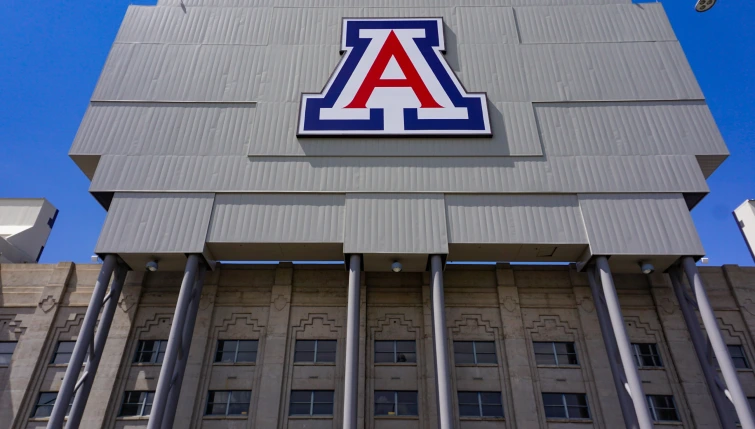
As a Tucson born-and-bred company, we’ve been cheering for the Wildcats as long as we’ve been fixing ACs. Supporting University of Arizona Sports as an Official Corporate Sponsor is our way of giving back to the town that built us. If you spot any of Rite Way crew at a Wildcat game, come say hi. We’re happy to talk heating, cooling, plumbing, or the score.
Go Cats!
If you’re looking for reliable and trustworthy services for your home, Rite Way Heating, Cooling & Plumbing is the answer. We are a home service company that genuinely cares about our customers and their needs.
Our team is committed to providing top-tier service to improve your comfort, enhance your home’s safety, and restore your peace of mind. Contact us today and experience firsthand why we’re the go-to choice for AC/Heat, plumbing, drain, and electrical services in Tucson, AZ, and its surrounding areas. Remember, we always get it done the Rite Way!
Rite Way Heating, Cooling & Plumbing offers expert HVAC, plumbing, electrical, and septic system services. We provide AC and heating installation, repair, and maintenance, as well as leak detection, drain cleaning, repiping, and more.
Schedule an appointment by calling 520-745-0660 or booking online through our website.
Yes! We provide 24/7 emergency repair services for HVAC & plumbing—keeping your home safe and comfortable anytime.
We proudly serve Tucson, Sierra Vista, Marana, Catalina Foothills, Oro Valley, Sahuarita, Rita Ranch, Vail, Dove Mountain, Saddlebrooke, Green Valley and surrounding areas
We appreciate your feedback! Leave a review on our website under “Review Rite Way” or on Google here.
Yes! Our maintenance plans help keep your HVAC and plumbing systems running efficiently year-round. Contact us for details.
Yes! Our technicians are certified, highly trained, and background-checked to ensure top-quality service.
We’re hiring! Visit our Careers page to view openings and apply today.
We offer complete HVAC services in Tucson, including AC repair, installation, maintenance, heating system services, duct repair and duct cleaning—ensuring year-round home comfort.
Yes! Our licensed plumbers handle everything from leak detection, water heater service and installation, and water filtration to full plumbing installations and repairs – keeping your home’s plumbing system running smoothly.
Yes! We provide electrical panel inspections, servicing, installations, and repairs to keep your home’s electrical system safe and efficient.
Improve indoor air quality with air purification systems, duct cleaning, and high-efficiency air filters—helping keep Tucson homes dust-free and healthy.
Yes! We provide water heater installation, repair, and maintenance, including tankless options—ensuring reliable hot water for Tucson homes.
We offer whole-home water filtration and reverse osmosis systems to improve water taste, reduce contaminants, and protect your plumbing—providing clean, safe water for Tucson area homes.
We offer full septic system services including location, pumping, installation and repairs.
Yes! Our licensed, background-checked technicians are highly trained to provide top-quality HVAC and plumbing services in the Tucson & Sierra Vista areas.
Rite Way stands out for our 24/7 emergency service, upfront pricing, certified technicians, and commitment to customer satisfaction, and we’ve been serving Arizona since 1959.
Yes! Our skilled technicians can repair, service, and install all AC brands and models, including Trane, Carrier, Lennox, Goodman, Rheem, American Standard, and more.
Lower your cooling costs in Tucson & Sierra Vista areas by scheduling regular AC maintenance, upgrading to a smart thermostat, sealing air leaks, and installing a high-efficiency AC unit.
Indoor air quality is crucial in Tucson and Sierra Vista due to dust, allergens, and dry air. We recommend:
-Installing an air purification system
-Regular duct cleaning to remove dust buildup
-Using high-efficiency air filters
-Adding a whole-home humidifier for balanced humidity
Yes! A whole-home air filtration system removes dust, pollen, bacteria, and VOCs, ensuring cleaner indoor air.
Yes! Tucson has some of the hardest water in the country. A water softener prevents scale buildup, extends appliance lifespan, and improves skin and hair health.
Due to Tucson’s extreme heat, HVAC systems typically last 10-13 years with proper maintenance. Regular tune-ups can help extend their lifespan.
We recommend HVAC maintenance twice a year—once in spring before summer heat and once in fall before winter.
Our comprehensive HVAC tune-up includes:
– Full system inspection
– Cleaning coils & filters
– Checking refrigerant levels
– Lubricating moving parts
– Ensuring proper airflow & efficiency
– Freon Leak Check
– Carbon Monoxide Safety Check
We recommend an annual plumbing inspection to catch leaks, corrosion, or drain blockages before they turn into costly repairs.
Yes! Tankless water heaters need annual flushing to prevent mineral buildup and keep them running efficiently.