Walk through almost any home in Tucson, Phoenix, or Sierra Vista and there’s a good chance the pipes behind your walls are copper. That distinctive reddish-orange metal has been a plumbing staple for generations, and despite the growing popularity of newer materials like PVC and PEX, copper continues to hold its own as one of the most trusted pipe materials in residential and commercial plumbing systems across Southern Arizona and the rest of the country.
Part of what makes copper so enduring is that its advantages aren’t just historical, they’re practical. From its ability to handle the region’s intense heat to its long track record of keeping drinking water safe, copper earns its place in modern plumbing on merit. Here are nine reasons why it remains the material of choice for so many homeowners and professional plumbers alike.
Key Takeaways
- Copper has a lifespan of 70 years or more, outlasting most alternative pipe materials by decades.
- Its natural corrosion resistance and antimicrobial properties make it one of the safest choices for potable water lines.
- Copper handles Southern Arizona’s temperature swings and hard water conditions better than many competing materials.
- There are three main types of copper pipe, Type K, L, and M, each suited for different pressure levels and applications.
- Professional installation and periodic inspections are key to getting the most out of your copper plumbing system.
1. It’s Exceptionally Durable
Copper strikes a rare balance as it’s strong enough to withstand daily water pressure fluctuations yet flexible enough to handle minor shifts in the ground or structure around it without cracking. In older Southern Arizona neighborhoods where homes have seen decades of temperature swings, that flexibility matters more than most homeowners realize.
2. It Resists Corrosion Naturally
Copper doesn’t rust. Unlike galvanized steel, which deteriorates from the inside out as water moves through it year after year, copper holds up against corrosion remarkably well. It’s one of the primary reasons copper replaced iron and lead as the standard plumbing material. It simply lasts longer without breaking down.
3. It Has a Long Lifespan
Copper plumbing systems routinely last 70 years or more when properly installed and maintained compared to PVC pipe, which typically has a lifespan of around 25-45 years. Many homes in Tucson and Phoenix built in the 1950s and 1960s still have their original copper plumbing in place. If your home falls into that category, a professional inspection can tell you exactly where things stand.
4. It’s Safe for Drinking Water
Copper is naturally antimicrobial, actively inhibiting bacterial growth inside the pipe. This makes it one of the safest materials available for potable water lines. Unlike lead pipes, removed from homes across the country due to serious health concerns, copper does not leach harmful substances into your water supply under normal operating conditions.
5. It Comes in Three Reliable Types
Copper plumbing comes in three main types, each defined by wall thickness and suited to different applications:
- Type K – thickest walls, used for underground water lines and high-pressure applications like main service lines
- Type L – the most common choice for residential interior plumbing, balancing durability and cost for hot and cold water supply lines
- Type M – thinnest walls, used for low-pressure indoor systems where local building codes allow
Understanding which type is right for a repair or replacement is part of what separates a quality plumbing job from a cut-rate one.
6. It Handles Heat and Cold Well
Copper expands and contracts with temperature changes far less dramatically than many other pipe materials. This thermal stability makes it well-suited to Southern Arizona’s climate, where summer temperatures regularly push past 100°F. Copper also won’t melt or release toxic fumes when exposed to fire – an important safety advantage over plastic alternatives.
7. It’s Easy to Work With and Widely Available
Copper can be cut cleanly, bent without kinking, and joined using several reliable methods, including soldering, compression fittings, and modern press fittings. It’s also available in a broad range of sizes and configurations, from small 1/4-inch supply lines to larger diameter main water lines. That availability keeps repairs and installations moving efficiently with minimal delays.
8. It’s Recyclable
Copper is one of the most recycled metals in the world and loses none of its properties in the process. When old copper pipes are removed during a renovation or repipe, the material can be reclaimed rather than landfilled. Combined with its long service life, copper’s recyclability makes it one of the more environmentally sound choices in plumbing materials.
9. It Adds Value to Your Home
Homes with copper plumbing are generally viewed more favorably by buyers and inspectors than those with older or lower-quality pipe materials. If you’re considering selling your home in the Tucson or Phoenix market, having copper plumbing, and being able to document its condition, can be a meaningful selling point.
A Note for Southern Arizona Homeowners
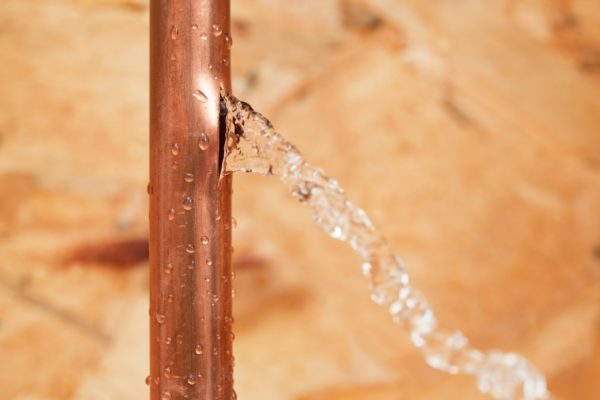
Southern Arizona’s hard water can accelerate mineral buildup inside pipes over time, contributing to pinhole leaks in older copper systems. Unexplained damp spots, water stains, or a gradual drop in water pressure are all worth having a plumber investigate. It’s also common in older regional homes to find copper in some areas and galvanized steel elsewhere and where dissimilar metals meet, corrosion can develop more quickly.
Talk to Rite Way About Your Plumbing
Whether you have questions about your existing copper pipes, need a repair, or are considering a full repipe, the team at Rite Way Heating, Cooling & Plumbing is here to help. We serve homeowners throughout Tucson, Phoenix, Sierra Vista, and across Southern Arizona with reliable plumbing services and honest recommendations.
Contact Rite Way today to schedule a plumbing inspection or repair service call.
Copper Plumbing FAQs
Copper is durable, corrosion-resistant, safe for drinking water, and lasts 70 years or more, making it one of the most well-rounded choices for residential plumbing.
Type K, L, and M are each distinguished by wall thickness. Type K is thickest and best for underground or high-pressure use. Type L is most common for interior residential plumbing. Type M suits low-pressure indoor applications where local codes permit.
Copper plumbing can last 70 years or more with proper installation and maintenance. In Southern Arizona, hard water can contribute to pinhole leaks in older systems, making periodic inspections a smart investment.
Yes, copper is naturally antimicrobial and does not leach harmful substances into water under normal conditions, making it one of the safest choices for potable water lines.
Watch for pinhole leaks, water stains, discolored water, reduced water pressure, or pipes that are 50-70 years old. A professional inspection is the most reliable way to assess your system’s condition.